
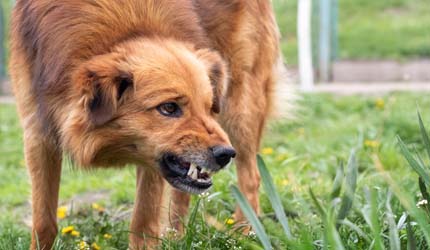
If a dog bites you in Florida, report the bite to the county animal control office and the county health department, even when the bite seems minor or the dog belongs to a neighbor or friend. After you report the bite, county health officials usually place the dog under a 10-day rabies quarantine at the owner’s home, and if the dog stays healthy the whole time, you can usually avoid rabies shots or stop a series you have already started.
8 Steps for Reporting the Bite
1. Get Medical Care for the Bite
Florida law does not require you to see a doctor after a dog bite, and declining medical treatment does not preclude you from filing a lawsuit against the dog’s owner later. Even so, seeing a doctor soon after the bite is a good idea. A doctor can clean and treat the wound to lower the chance of infection and can work with the county health department on whether you should start rabies shots.
The doctor’s notes from your first visit describe the wound and the care it needed, and in a case against the owner, the notes help prove to the owner’s insurance company, or to a jury, that the dog caused your injury.
2. Get the Owner’s Name and Address
Before you leave the scene, and only if it is safe to talk with the owner, you or a family member should get the owner’s name and address, along with a phone number. Animal control uses the owner’s address to find the dog and place it under quarantine, and when animal control cannot find the dog, doctors usually recommend rabies shots.
Florida requires veterinarians to give the owner a rabies vaccination certificate each time they vaccinate the dog, so ask to see the most recent one and write down the veterinarian’s name and the vaccination date. Veterinarians are also required to send a copy to county animal control, so if the owner does not have the certificate, the veterinarian’s name may help animal control confirm the vaccination. Florida law keeps the owner’s information on the certificate private but allows animal control to share it with you because the dog bit you. If the owner is not there, get the name and phone number of a neighbor or witness who may know whose dog it is.
3. Call the County Animal Control Office
You or a family member should call animal control in the county where the bite happened, which may not be the county where you live. The call taker asks for the date, time, and exact location of the bite and a description of the dog, so have the owner’s contact information and the vaccination details from the scene ready when you call.
If the dog is still loose and could bite someone else, tell animal control right away, and call 911 if the dog is putting people in immediate danger. An animal control officer then contacts the owner to confirm the dog’s rabies vaccination and set up the quarantine, and the officer may call you back with questions about how the bite happened.
4. Call the Health Department if You Did Not See a Doctor
Florida requires a doctor who treats a dog bite to report it to the county health department, so if you did not see a doctor, call the health department in the county where the bite happened and report the bite yourself. Health department staff follow the dog’s 10-day quarantine and tell you whether to start rabies shots.
Ask for the epidemiology or environmental health office, which takes bite reports in counties like Escambia and Hillsborough. If you prefer to report in writing, the Hillsborough and Manatee county health departments post bite report forms on their websites.
5. Write Down the Report Number and the Officer’s Name
Before your call with animal control ends, ask for the report number and the name of the officer investigating the bite. Animal control may ask for the report number on follow-up calls, and you should include the number when you request a copy of the report from the county. With the officer’s name, you can reach the officer who knows your case each time you have new information or a question about the investigation.
6. Call a Dog Bite Attorney
You should talk with an experienced dog bite attorney before you answer animal control’s follow-up questions or sign a sworn statement. Replace with: Florida law reduces the owner’s liability when your own carelessness contributed to the bite and bars you from recovering any damages if you are found mostly at fault, so the way you describe the bite to animal control can affect a later case against the owner. An attorney at Lesser, Landy, Smith & Siegel can go over your account of the bite and any sworn statement with you before you give them to animal control.
7. Call Back When the Dog’s Quarantine Ends
Florida health officials will most likely place the dog that bit you under a 10-day rabies quarantine, vaccinated or not, because rabies vaccines fail on rare occasions. A vaccinated dog usually spends the quarantine at the owner’s home, where the owner keeps the dog indoors and away from other people and animals and watches it for signs of rabies. Health officials may hold an unvaccinated dog at a shelter or veterinary clinic at the owner’s expense, and only health officials can release a dog from quarantine.
Once the 10 days are up, call animal control or the health department with your report number to confirm the dog was released healthy. If you already started rabies shots, you may not need to finish the series once the dog is released healthy. If the dog got sick or went missing during the quarantine, the health department can advise you on starting or continuing rabies shots.
8. Ask Animal Control to Classify the Dog as Dangerous
Florida law lets animal control classify a dog as dangerous after the dog aggressively bites or attacks someone, and the owner of a dangerous dog has to keep the dog muzzled and leashed outside a secure enclosure and carry at least $100,000 in liability insurance. Florida law requires a sworn statement from anyone who asks animal control to classify a dog as dangerous, so if you ask for the classification, you will need to sign one describing the bite. The owner has a limited time to request a hearing to contest the classification.
Reporting a Bite From a Stray or Unknown Dog
If a dog bites you and animal control is not able to locate the dog after the bite, your doctor and the county health department will usually recommend a full series of rabies shots.
When animal control finds the dog and no owner comes forward, nobody can produce a rabies vaccination certificate for the dog, and officers usually hold the dog at the county animal shelter or a veterinary clinic for the 10-day quarantine.
Reporting a Dog Bite Days or Weeks Later
If you report a bite days or weeks after it happened, the dog’s 10-day quarantine period may already be over, since the 10 days count from the date of the bite. If health officials confirm the dog is still alive and healthy more than 10 days after the bite, you usually do not need rabies shots.
Dog Bite Reporting Contacts by Florida County
If the bite happened in one of the following Florida counties, you can reach animal control and the county health department at these numbers.
Broward County
- Broward County Animal Care: 954-359-1313, ext. 9297, Monday through Friday, 8 a.m. to 4 p.m.
- DOH-Broward Epidemiology Program: 954-213-0710
- Animal Care asks for the owner’s name and complete address and the time of day the owner is usually home, and the Epidemiology Program helps arrange rabies shots when a doctor has not started or cannot finish them.
Palm Beach County
- Palm Beach County Animal Care and Control: 561-233-1200, ext. 0
- DOH-Palm Beach: 561-671-4013
- DOH-Palm Beach asks you to seek medical care and report the bite by phone.
Martin County
- Martin County Sheriff’s Office Animal Services Unit: 772-463-3211
- DOH-Martin: 772-221-4030
- Animal control in Martin County is part of the Sheriff’s Office.
Manatee County
- DOH-Manatee: 941-748-0747, option 4
- DOH-Manatee Animal Incident Report Form, fax: 941-750-9364
- DOH-Manatee takes bite reports by phone or on its Animal Incident Report Form.
Miami-Dade County
- Miami-Dade Animal Services: 311, or the online Animal Bite Report at 311.miamidade.gov
- DOH-Miami-Dade: 305-324-2400, or DOH-Miami-Dade Epidemiology at 305-470-5660
- If you received medical care, Miami-Dade asks you to report the bite to the health department, animal control, or both.
Orange County
- Orange County Animal Services: 311
- Florida Department of Health in Orange County: 407-858-1400 (ask for the Epidemiology Department)
- Orange County takes animal bite reports through 311.
Hillsborough County
- Hillsborough County Animal Control: 813-744-5660, Monday through Friday, 8 a.m. to 5 p.m.
- DOH-Hillsborough: 813-307-8059, or fax 813-272-7242
- DOH-Hillsborough takes bite reports by phone, by fax, or through an online form on its website.
Duval County
- City of Jacksonville Animal Care and Protective Services: 904-630-2489
- DOH-Duval: 904-253-1280
- DOH-Duval lists both numbers for reporting animal bites.
Escambia County
- Escambia County Animal Control: 850-595-0097, Monday through Friday, 7 a.m. to 5 p.m.
- DOH-Escambia Environmental Health Division: 850-595-6700
- A stand-by animal control officer responds after hours when a dog that bit someone is still loose.
If your county is not on this list, you can find the local health department through the Florida Department of Health’s county office finder.
Questions About Reporting a Dog Bite? Call Lesser, Landy, Smith & Siegel
Under Florida law, a dog’s owner is liable for the damages a bite causes, so recovering your medical bills and other losses starts with identifying the owner. When animal control cannot identify the owner of a stray dog, an attorney at Lesser, Landy, Smith & Siegel can investigate who owns the dog.
Lesser, Landy, Smith & Siegel has represented injured Floridians for nearly 100 years. Call 1-833-LAW-LLSS for a free consultation.
References:
- Section 767.04, Florida Statutes: Dog owner’s liability for damages to persons bitten
- Section 767.12, Florida Statutes: Classification of dogs as dangerous
- Section 768.81, Florida Statutes: Comparative fault
- Section 828.30, Florida Statutes: Rabies vaccination of dogs, cats, and ferrets
- Rule 64D-3.029, Florida Administrative Code: Diseases or Conditions to be Reported
- Florida Department of Health: Rabies Prevention and Control in Florida